
Table of Contents
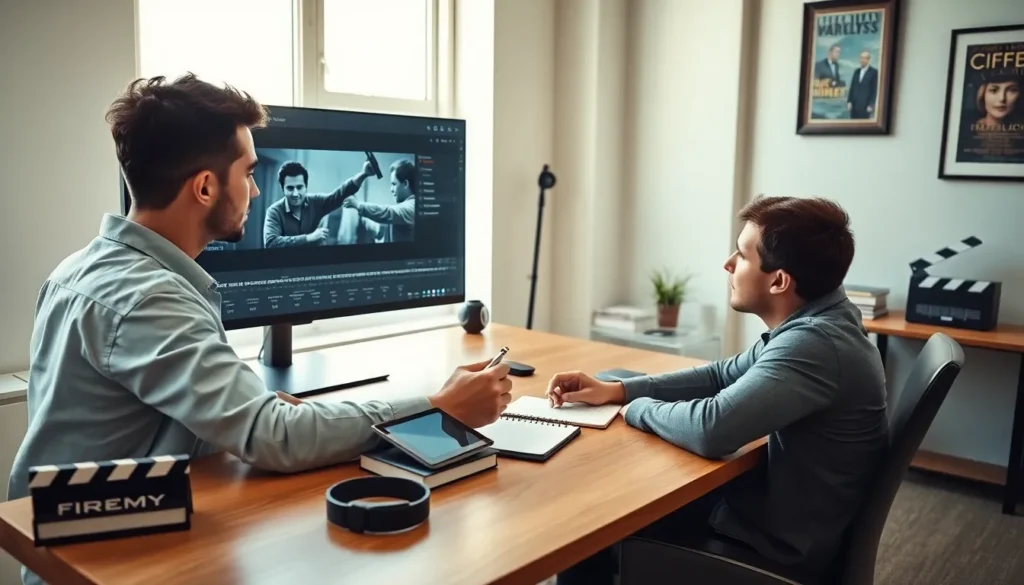
ToggleA movie breakdowns guide helps viewers move beyond passive watching and into active analysis. Films contain layers of meaning, visual choices, sound design, narrative structure, that most audiences miss on a first viewing. This guide explains how to dissect movies with intention and skill.
Whether someone wants to write better film reviews, study cinema seriously, or simply appreciate movies on a deeper level, learning to break down films is essential. The process transforms casual viewers into informed critics who understand why certain scenes work and others fall flat.
Key Takeaways
- A movie breakdowns guide transforms passive viewers into active analysts who understand how films create meaning through deliberate creative choices.
- Core elements to analyze include narrative structure, cinematography, editing, sound design, mise-en-scène, and thematic symbolism.
- Watch films twice: first for emotional response, then for focused analysis with note-taking and specific questions in mind.
- Look for patterns like recurring images, colors, and phrases—repetition often signals intentional thematic choices by filmmakers.
- Support your analysis with specific evidence rather than vague opinions to create compelling, well-argued movie breakdowns.
- Free tools like VLC for frame-by-frame viewing and educational YouTube channels can significantly improve your film analysis skills.
What Is a Movie Breakdown?
A movie breakdown is a systematic analysis of a film’s components. It examines how directors, writers, cinematographers, and editors create meaning through their creative choices. This process goes beyond asking “Did I enjoy this?” and instead asks “How does this work?”
Movie breakdowns can focus on different aspects depending on the analyst’s goals. Some breakdowns concentrate on narrative structure, how the story unfolds and whether it follows or subverts traditional patterns. Others examine technical elements like camera movement, lighting, and color grading.
The practice originated in film schools, where students learn to read movies like texts. Today, movie breakdowns appear everywhere: YouTube video essays, academic papers, podcast discussions, and online forums. A good movie breakdowns guide teaches readers to see films through a more critical lens.
Breaking down a movie doesn’t mean stripping away enjoyment. Many film enthusiasts find that analysis increases their appreciation. Understanding how a director built tension or conveyed emotion adds new layers to the viewing experience.
Key Elements to Analyze in Any Film
Every movie breakdowns guide should cover the core elements that shape a film’s impact. These components work together to create the final product audiences experience.
Narrative and Story Structure
Story structure forms the backbone of most films. Analysts examine the three-act structure, character arcs, and plot points. They ask questions like: Where does the inciting incident occur? How does the protagonist change? Does the ending resolve the central conflict?
Cinematography
Cinematography includes camera placement, movement, lens choices, and framing. A close-up shot conveys intimacy. A wide shot establishes scale. Dutch angles suggest unease. Each decision communicates something to the audience, often subconsciously.
Editing and Pacing
Editors control rhythm and flow. Quick cuts create energy and tension. Long takes build atmosphere. The transition between scenes, whether hard cuts, dissolves, or fades, affects how viewers process information.
Sound Design and Music
Sound shapes emotional response. Silence can feel oppressive. A well-placed musical cue can make audiences cry. Diegetic sounds (those characters hear) and non-diegetic sounds (score, narration) serve different purposes.
Mise-en-Scène
This French term covers everything visible on screen: set design, costumes, props, actor positioning, and lighting. A movie breakdowns guide teaches readers to notice these visual details and interpret their meaning.
Themes and Symbolism
Films often explore ideas beyond their surface plots. Recurring images, dialogue patterns, and visual motifs can reveal deeper themes about society, human nature, or specific subjects.
Step-by-Step Process for Breaking Down a Movie
Following a structured process makes movie breakdowns more effective. Here’s a practical approach that works for beginners and experienced analysts alike.
Step 1: Watch Without Taking Notes
The first viewing should be experiential. Watch the film as a regular audience member. Pay attention to emotional responses. Note what scenes feel memorable or confusing. This initial impression matters.
Step 2: Research the Context
Before the second viewing, research the film’s background. Who directed it? What genre conventions does it follow or challenge? When was it made, and what cultural factors might influence its content? This context informs analysis.
Step 3: Rewatch With Focus
The second viewing is for active analysis. Pause frequently. Take notes on specific shots, dialogue, and technical choices. A movie breakdowns guide recommends having specific questions in mind: How does the director use color? What does the soundtrack emphasize?
Step 4: Identify Patterns
Look for repetition. Recurring images, phrases, or situations often signal important themes. If a character always appears in shadow, that’s intentional. If certain colors dominate specific scenes, the cinematographer made deliberate choices.
Step 5: Analyze Key Scenes
Select three to five pivotal scenes for deep analysis. Break down each element: framing, lighting, performance, dialogue, editing rhythm. Explain how these components create the scene’s effect.
Step 6: Form Arguments
Good movie breakdowns make claims and support them with evidence. Instead of saying “The cinematography was good,” specify what techniques the cinematographer used and why they worked.
Tools and Resources for Film Analysis
Several resources help analysts improve their movie breakdowns skills.
Software and Apps
VLC Media Player allows frame-by-frame viewing and screenshot capture. Some analysts use video editing software to isolate and compare shots. Note-taking apps like Notion or Evernote help organize observations across multiple viewings.
Educational Content
YouTube channels like Every Frame a Painting, Lessons from the Screenplay, and Now You See It provide excellent movie breakdowns examples. These creators demonstrate how professionals analyze films and explain their methods.
Books Worth Reading
Several books serve as comprehensive movie breakdowns guide resources. “Film Art: An Introduction” by Bordwell and Thompson remains a standard text. “In the Blink of an Eye” by Walter Murch explains editing from a practitioner’s perspective. “Story” by Robert McKee covers narrative structure thoroughly.
Online Communities
Film discussion forums and subreddits like r/TrueFilm provide spaces for sharing and refining analyses. Engaging with other film enthusiasts sharpens critical thinking and introduces new perspectives.
Streaming Services
Criterion Channel offers curated collections with supplementary materials, including director commentaries and video essays. These extras provide insight into filmmakers’ intentions and methods.


